BLC Remodeling • Greater Seattle

Home Improvement Insights for Remodel Planning

Practical planning guidance for homeowners comparing remodel scope, budgets, permits, sequencing, and long-term upgrade decisions across Bellevue, Seattle, and the Eastside.

Start with the right planning questions before construction begins

A successful remodel starts with clear decisions about scope, timing, budget, permits, access, and how different parts of the home affect each other. These guides help homeowners compare the choices that shape a smoother project before materials or fixtures are selected.

Use this section when the decision involves the whole remodel rather than one room. It is useful for comparing contractor expectations, phased work, cost planning, maintenance priorities, and construction details that can influence kitchens, bathrooms, additions, and larger home upgrades.

Before comparing broad remodel options, review these details

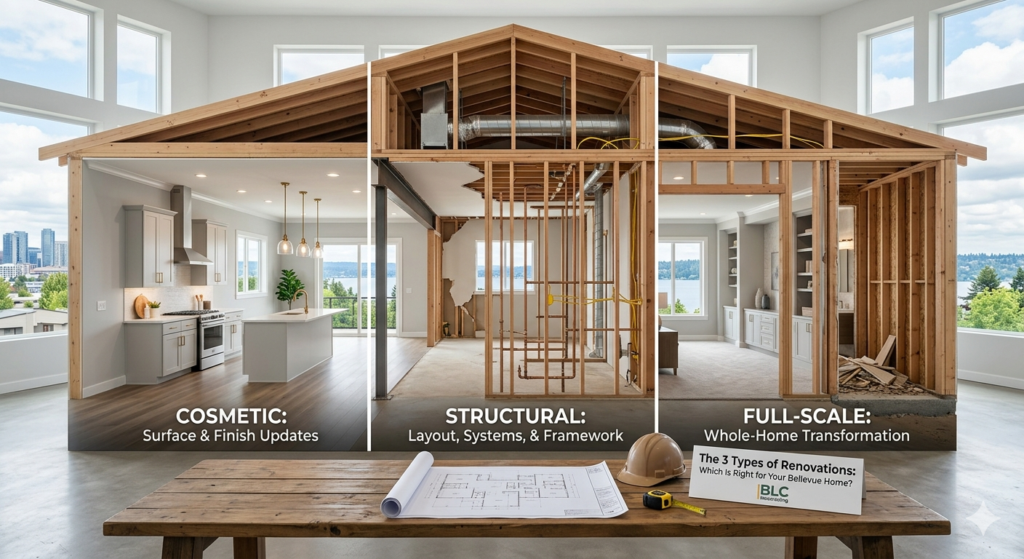
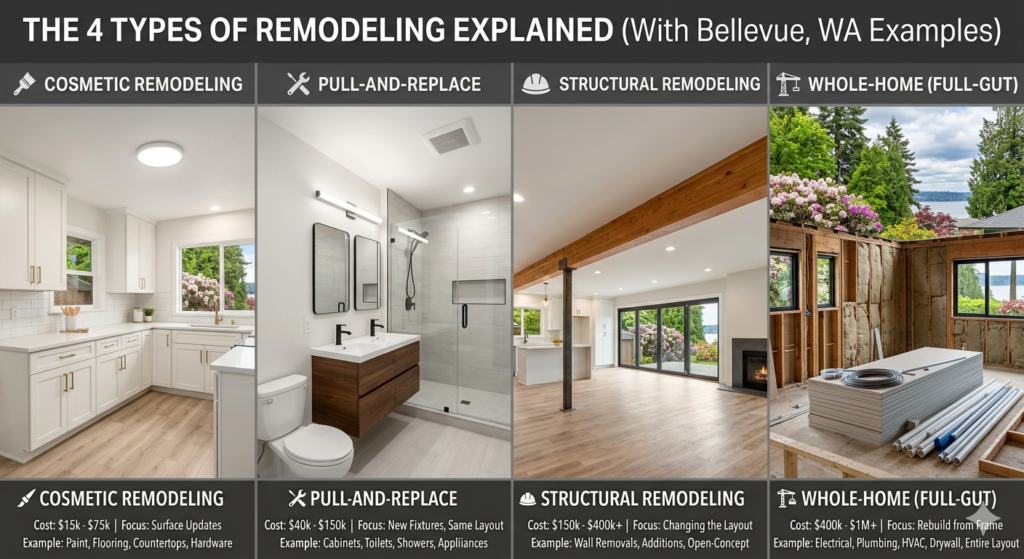
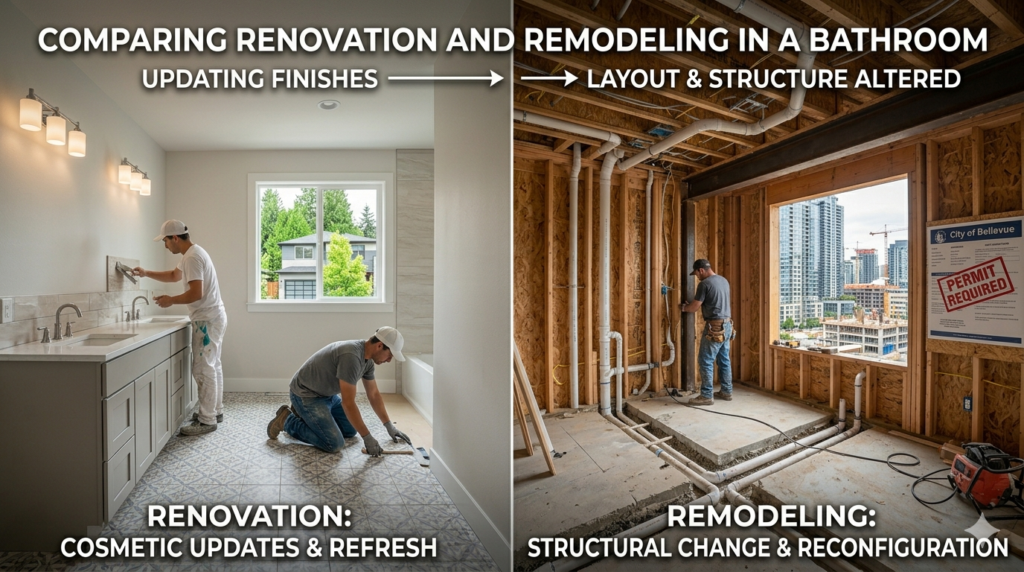
  • Clarify whether the work is cosmetic, structural, or multi-trade.
  • Compare cost ranges before selecting finishes or fixtures.
  • Identify permits, inspections, access needs, and timing risks early.
  • Separate must-have work from improvements that can wait for a later phase.

Home improvement planning topics covered here

Project scope and sequencing Budget and cost planning Permits and local planning Contractor conversations Material and maintenance decisions Whole-home upgrade tradeoffs

Planning library

Home improvement planning guides

Planning questions

Common questions before planning a home remodel

What should be reviewed before comparing remodel options?

Start with the scope, budget range, permit needs, access limits, timeline, and the parts of the home that may be affected by the work. This gives the estimate conversation a clearer starting point.

When does a project need broader home improvement planning?

Broader planning helps when the work touches more than one area, involves several trades, changes flooring or utilities, or needs decisions about phasing, temporary access, and long-term use.

How can early planning reduce surprises during construction?

Early planning helps identify hidden cost drivers such as structural changes, material lead times, inspection timing, site access, and finish transitions before the project is already underway.