

The correct order to renovate a house follows nine key phases: planning and permits, demolition, structural work, mechanical rough-ins, insulation and drywall, interior finishes, flooring, fixture installation, and final inspections. Skipping steps or rearranging this sequence is one of the fastest ways to blow your remodeling budget and add weeks to your timeline.
Whether you are gutting a mid-century Bellevue rambler or updating a Crossroads condo, following the right construction sequence protects every dollar you spend. This guide walks you through each renovation phase in order, explains what happens at every stage, and shows you how to budget realistically so your project stays on track from start to finish.
Why Renovation Order Matters More Than Most Homeowners Think
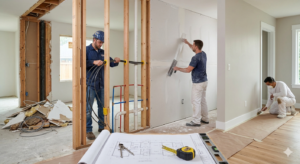
Home renovation is not a choose-your-own-adventure project. Every phase depends on the one before it. When homeowners jump ahead or tackle rooms out of sequence, the result is almost always rework, wasted materials, and a budget that spirals beyond the original scope.
Construction professionals follow a specific order for a reason. The sequence is built around building code requirements, inspection schedules, material curing times, and the simple logic of not destroying finished work to access something behind it.
How the Wrong Sequence Leads to Costly Rework
Installing hardwood floors before the plumbing rough-in is complete means a plumber may need to cut into those brand-new floors to run a drain line. Painting walls before electrical trim-out means an electrician will scuff and damage fresh paint installing outlet covers and light fixtures. Hanging cabinets before drywall is taped and finished means uneven surfaces and visible gaps.
These are not hypothetical scenarios. They happen on poorly sequenced projects every week across the Bellevue area. Each instance of rework costs money for labor, replacement materials, and lost time. On a whole-house renovation, even two or three sequencing mistakes can add thousands of dollars and weeks of delays.
How a Logical Renovation Timeline Protects Your Budget
A proper renovation sequence does three things for your budget. First, it eliminates rework by ensuring each trade finishes before the next one starts. Second, it allows inspections to happen at the right time so you do not have to tear open walls to satisfy a building inspector. Third, it gives you clear milestones to track spending against your original budget.
When you know what comes next, you can order materials on time, schedule subcontractors without overlap, and catch problems before they become expensive. That predictability is what separates a well-managed remodel from a chaotic one.
Step 1 – Planning, Design, and Permits
Every successful renovation starts long before a single hammer swings. The planning phase is where you define what you want, what you can afford, and what your local jurisdiction will allow. Rushing through this step is the most common mistake homeowners make, and it is the most expensive one to fix later.
Setting Your Renovation Budget and Scope
Start by defining the scope of your project. Are you doing a cosmetic refresh, a major systems upgrade, or a full gut renovation? The answer determines your budget range, your timeline, and the permits you will need.
For a whole-house renovation in Bellevue, most homeowners should expect to spend between $100 and $250 per square foot depending on the level of finish, structural changes, and material selections. A cosmetic update with paint, flooring, and fixture swaps falls on the lower end. A full gut with layout changes, new mechanical systems, and high-end finishes pushes toward the upper range or beyond.
Build a contingency of 10 to 20 percent into your budget from the start. Older homes in Bellevue neighborhoods like Enatai, Wilburton, and Crossroads frequently reveal hidden issues once walls are opened, including outdated wiring, galvanized plumbing, or insufficient insulation. Your contingency fund covers these surprises without derailing the project.
Hiring a Contractor and Finalizing Design Plans
Once you have a realistic budget range, bring in a qualified remodeling contractor. A good contractor helps you refine your scope, identify potential problems before construction begins, and create a detailed project schedule.
During this phase, finalize your design plans with enough detail for permit submission. That means architectural drawings, structural engineering if you are moving walls, and specifications for mechanical systems. In Bellevue, the City requires detailed plans for any work that changes the structure, layout, or systems of your home.
Get at least three detailed bids. Compare them line by line, not just on total price. Look at how each contractor breaks down labor, materials, permits, and allowances. The lowest bid is not always the best value if it leaves out critical scope items you will need to pay for later.
Pulling Permits in Bellevue, WA
The City of Bellevue requires building permits for most renovation work beyond simple cosmetic updates. Structural changes, electrical work, plumbing modifications, HVAC changes, and window or door replacements all require permits and inspections.
Permit timelines in Bellevue vary depending on project complexity. Simple permits for mechanical work may be issued in a few days. Full building permits for major renovations can take several weeks for plan review. Your contractor should handle the permit application process, but you should understand the timeline because it directly affects your project start date.
Skipping permits is never worth the risk. Unpermitted work can create serious problems when you sell your home, file an insurance claim, or face a code enforcement complaint. It can also result in fines and mandatory removal of completed work.
Step 2 – Demolition and Structural Work
With permits in hand and a finalized plan, construction begins. The first physical phase is demolition, followed immediately by any structural modifications your project requires.
What to Expect During the Demolition Phase
Demolition is the process of removing everything that will not be part of the finished renovation. That includes old drywall, flooring, cabinets, fixtures, and any framing that needs to change. On a full gut renovation, demolition strips the house down to studs and subfloor.
This phase is loud, dusty, and disruptive. If you are living in the home during renovation, plan to relocate during demolition and the rough-in phases at minimum. Most Bellevue homeowners doing whole-house renovations arrange temporary housing for the duration of the project.
Demolition is also when hidden problems reveal themselves. Expect your contractor to document any issues found behind walls or under floors, including water damage, mold, pest damage, outdated wiring, or structural deficiencies. These discoveries are why your contingency budget exists.
Structural Repairs, Additions, and Load-Bearing Changes
After demolition, structural work begins. This includes removing or relocating load-bearing walls, adding beams or posts, reinforcing foundations, framing additions, and any work that changes the structural skeleton of the house.
Structural work requires engineering and inspection. In Bellevue, a structural engineer must design any load-bearing modifications, and the city inspector must approve the work before it gets covered by insulation and drywall.
If your renovation includes an addition, a bump-out, or a second-story expansion, the structural phase also includes new foundation work, floor framing, and roof framing. This is typically the most labor-intensive and time-consuming phase of the project.
Step 3 – Mechanical Rough-Ins (Plumbing, Electrical, HVAC)
Once the structure is solid and framed, the mechanical trades come in to install the systems that run inside your walls, floors, and ceilings. This phase is called the “rough-in” because the systems are installed in their rough state before being connected to fixtures and finished.
The rough-in phase is one of the most critical in the entire renovation sequence. Everything installed during this phase will be hidden behind drywall, so it must be done correctly and inspected before closing up the walls.
Plumbing Rough-In
Plumbers install new supply lines, drain lines, vent stacks, and gas piping during the rough-in. If your renovation changes the location of any kitchen sink, bathroom, laundry, or water heater, the plumbing rough-in addresses those changes.
In older Bellevue homes, this phase often includes replacing galvanized steel pipes with copper or PEX, upgrading drain lines from cast iron to ABS or PVC, and bringing the plumbing system up to current Washington State code.
Electrical Rough-In
Electricians run new wiring, install junction boxes, set up circuit breaker panels, and position outlets, switches, and lighting locations according to the electrical plan. If your renovation adds square footage, a kitchen island, a home office, or an EV charger in the garage, the electrical rough-in is where that capacity gets built in.
Bellevue follows the National Electrical Code with Washington State amendments. Your electrician must pull the wire, install the boxes, and leave everything accessible for the electrical inspection before drywall goes up.
HVAC Installation and Ductwork
The HVAC rough-in includes installing or relocating ductwork, setting furnace and air handler positions, running refrigerant lines for heat pumps, and placing ventilation fans for bathrooms and range hoods.
Many Bellevue homeowners use whole-house renovations as an opportunity to upgrade from older forced-air furnaces to high-efficiency heat pump systems. If you are making that switch, the HVAC rough-in is the time to do it because the ductwork and electrical requirements differ from a traditional furnace setup.
After all three mechanical rough-ins are complete, your contractor schedules the rough-in inspection with the City of Bellevue. The inspector verifies that plumbing, electrical, and HVAC work meets code before anything gets covered up. This inspection must pass before the project moves to insulation and drywall.
Step 4 – Insulation, Drywall, and Interior Framing
With rough-in inspections approved, the walls are ready to close up. This phase transforms your renovation from an open construction site into something that starts to look like a finished home.
Insulation Types and Energy Code Requirements
Washington State has some of the most stringent energy codes in the country. Your insulation must meet or exceed the requirements of the current Washington State Energy Code, which specifies minimum R-values for walls, ceilings, and floors based on your climate zone.
Bellevue falls in Climate Zone 4C. Common insulation choices for renovations include fiberglass batts, blown-in cellulose, and spray foam. Spray foam provides the highest R-value per inch and the best air sealing, but it costs more. Your contractor can help you choose the right insulation type based on your budget and energy performance goals.
Insulation also goes in before drywall for a practical reason. Once drywall is hung, you cannot access the wall cavities without tearing it out. Getting insulation right the first time avoids expensive rework.
Drywall Hanging, Taping, and Mudding
Drywall installation happens in stages. First, sheets are hung on walls and ceilings. Then seams are taped and covered with joint compound. Multiple coats of mud are applied and sanded smooth. The process typically takes one to two weeks depending on the size of the project, because each coat of joint compound needs to dry before the next one is applied.
Drywall quality matters more than most homeowners realize. A poor drywall job shows through paint and creates visible seams, bumps, and nail pops that will bother you for years. Insist on a Level 4 or Level 5 finish for any walls that will receive paint, especially in areas with natural light where imperfections are most visible.
Step 5 – Interior Finishes (Paint, Trim, Doors)
With smooth drywall in place, the interior finish phase begins. This is where your renovation starts to feel like a home again. Paint, trim, and doors go in during this phase, and the sequence within this phase matters too.
Painting Walls and Ceilings
Paint goes on before trim, doors, and flooring. Painting first means you can work quickly without worrying about drips on finished floors or overspray on trim pieces. Ceilings get painted first, then walls.
Most contractors apply a coat of primer followed by two coats of finish paint. For Bellevue homes, consider using low-VOC or zero-VOC paints, especially if you are moving back in shortly after completion. The air quality difference is significant.
Installing Interior Doors, Trim, and Molding
After paint is dry, interior doors are hung and trim is installed. Trim includes baseboards, door casings, window casings, crown molding, and any other decorative millwork specified in your design.
Trim installation is a finish carpentry skill. The quality of your trim work is one of the most visible indicators of overall renovation quality. Tight joints, consistent reveals, and clean caulk lines separate a professional job from a sloppy one.
Trim gets a final coat of paint or stain after installation to cover nail holes, caulk lines, and any handling marks from the installation process.
Step 6 – Flooring Installation
Flooring goes in after painting and most trim work is complete. This sequence protects your new floors from paint drips, drywall dust, and the heavy foot traffic of earlier construction phases.
Choosing the Right Flooring for Each Room
Your flooring choice depends on the room’s function, your budget, and your design preferences. Hardwood and engineered hardwood are popular choices for main living areas in Bellevue homes. Tile works best in bathrooms, laundry rooms, and entryways where moisture is a concern. Luxury vinyl plank has become a strong mid-range option that handles moisture well and installs quickly.
Consider how each flooring type transitions between rooms. A good flooring plan accounts for transitions, thresholds, and height differences between materials so the finished result looks intentional and clean.
Installation Sequence and Protecting New Floors
Flooring installers typically start in the rooms farthest from the main entry and work their way out. This minimizes foot traffic over freshly installed floors.
Once flooring is down, it gets covered with protective paper or cardboard for the remainder of construction. Cabinets, fixtures, and appliances still need to be installed, and those activities can scratch or dent unprotected floors. Your contractor should keep floors covered until the final cleaning before move-in.
Step 7 – Kitchen and Bathroom Completion
Kitchens and bathrooms are the most complex rooms in any renovation because they involve every trade: framing, plumbing, electrical, HVAC, tile, cabinetry, countertops, and fixtures. The rough-in work was completed in earlier phases. Now it is time to install the finish components.
Cabinet and Countertop Installation
Cabinets are installed first because countertops are templated and cut to fit the installed cabinets. Kitchen cabinets go on the wall, then base cabinets are leveled and secured. Bathroom vanities follow the same process.
After cabinets are set, a countertop fabricator comes to template. Templating measures the exact dimensions of your installed cabinets so the countertop fits precisely. Fabrication and installation typically take one to two weeks after templating, depending on the material. Quartz, granite, and solid surface are the most common countertop choices in Bellevue renovations.
Fixture and Appliance Hook-Ups
With countertops in place, plumbers and electricians return to make final connections. Sinks, faucets, dishwashers, garbage disposals, toilets, shower valves, and light fixtures all get installed during this phase.
Appliance delivery and installation is coordinated with the fixture hook-up schedule. Ranges, refrigerators, and built-in microwaves go in after countertops and cabinetry are complete. Your contractor should verify that all appliance dimensions match the cabinet openings before delivery day to avoid last-minute surprises.
Step 8 – Exterior Work and Landscaping
Exterior work can happen in parallel with some interior phases, but it is listed here because many exterior tasks depend on the structural and mechanical work being complete first. Roofing, siding, and window installation protect the interior from weather, so they are often prioritized early in the construction schedule when the scope includes exterior changes.
Siding, Roofing, and Window Replacement
If your renovation includes new siding, roofing, or windows, these components are typically installed after structural framing and sheathing are complete but before interior insulation and drywall. The exact timing depends on your project scope and the weather.
Bellevue’s climate means rain is a constant consideration during exterior work. Your contractor should plan exterior phases around seasonal weather patterns and have temporary weatherproofing in place to protect the interior during construction.
Outdoor Living Spaces and Final Grading
Decks, patios, walkways, and landscaping are the last exterior items to complete. These elements are finished after all heavy equipment and material deliveries are done so the yard does not get torn up by construction traffic.
Final grading ensures proper drainage away from the foundation. In Bellevue, where rain is frequent, correct grading prevents water intrusion problems that can damage your newly renovated home.
Step 9 – Final Inspections, Punch List, and Move-In
The final phase of your renovation is about quality control, code compliance, and making sure every detail meets your expectations before you sign off on the project.
Scheduling Your Final Inspection in Bellevue
The City of Bellevue requires a final inspection for all permitted work. The building inspector verifies that all construction matches the approved plans, all code requirements are met, and all earlier inspection items have been resolved.
Your contractor schedules the final inspection once all work is complete. If the inspector identifies any issues, they must be corrected and re-inspected before the permit is closed. A closed permit means the city has officially approved the completed work.
Creating and Completing a Punch List
Before the final inspection, walk through the entire project with your contractor and create a punch list. A punch list is a detailed list of minor items that need correction, completion, or touch-up. Common punch list items include paint touch-ups, minor trim adjustments, hardware installation, caulking, and cleaning.
A thorough punch list walk-through takes time. Go room by room, check every surface, open every door and drawer, test every fixture, and run every appliance. This is your opportunity to catch anything that does not meet the standard you are paying for.
Your contractor should complete all punch list items before requesting final payment. A clear, written punch list with agreed-upon completion dates protects both you and your contractor.
How Long Does a Whole-House Renovation Take?
Timeline is one of the first questions every homeowner asks, and the honest answer depends entirely on the scope of your project. A cosmetic refresh takes far less time than a full gut renovation with structural changes.
Typical Timelines by Project Scope
| Renovation Scope | Typical Timeline |
| Cosmetic update (paint, flooring, fixtures) | 4 to 8 weeks |
| Moderate renovation (kitchen, bathrooms, some systems) | 3 to 5 months |
| Major renovation (full gut, layout changes, new systems) | 5 to 8 months |
| Whole-house gut with addition | 8 to 12+ months |
These timelines include the construction phase only. Add four to twelve weeks for planning, design, permitting, and material lead times before construction starts.
Common Delays and How to Avoid Them
The most common causes of renovation delays in Bellevue include permit review times, material backorders, subcontractor scheduling conflicts, weather delays for exterior work, and hidden conditions discovered during demolition.
You can minimize delays by finalizing all design decisions before construction starts, ordering long-lead materials early, maintaining a realistic contingency budget for unexpected issues, and working with a contractor who manages subcontractor scheduling proactively.
How Much Does a Full Home Renovation Cost in Bellevue, WA?
Renovation costs in Bellevue reflect the area’s higher labor rates, strict building codes, and elevated material costs compared to national averages. Understanding realistic cost ranges helps you set a budget that matches your goals.
Cost Ranges by Renovation Scale
| Renovation Scale | Cost Per Square Foot | 2,000 SF Home Estimate |
| Cosmetic refresh | $50 to $100 | $100,000 to $200,000 |
| Mid-range renovation | $100 to $175 | $200,000 to $350,000 |
| High-end full gut | $175 to $300+ | $350,000 to $600,000+ |
These ranges include labor, materials, permits, and contractor overhead. They do not include furniture, temporary housing during construction, or design fees, which are typically separate line items.
Labor typically accounts for 35 to 45 percent of total renovation costs in the Bellevue market. Skilled tradespeople in the Puget Sound region command higher rates than the national average due to demand, cost of living, and licensing requirements.
Hidden Costs That Catch Homeowners Off Guard
Several costs surprise homeowners who have not been through a major renovation before. The most common hidden costs include:
Asbestos and lead paint abatement in homes built before 1980. Testing and removal add cost and time but are legally required when these materials are disturbed during renovation.
Structural deficiencies discovered during demolition. Rot, termite damage, inadequate framing, and foundation issues are invisible until walls are opened.
Code upgrades required when renovating older homes. Bringing electrical panels, plumbing systems, and seismic bracing up to current code adds cost but is required by Bellevue building regulations.
Temporary housing expenses during construction. Most whole-house renovations require you to move out for several months. Budget for rent, storage, and moving costs.
Tips for Keeping Your Renovation on Sequence and on Budget
- Make all design decisions before demolition day. Changing your mind about tile, cabinets, or layout during construction is the single biggest cause of budget overruns and schedule delays.
- Order long-lead materials early. Custom cabinets, specialty tile, and certain appliances can take eight to twelve weeks to arrive. Order them during the planning phase so they are ready when the schedule calls for them.
- Maintain your contingency fund. Do not spend your contingency on upgrades. It exists to cover unexpected problems. If you reach the end of the project without using it, then consider upgrades.
- Communicate with your contractor weekly. Regular check-ins keep you informed about progress, upcoming decisions, and any issues that need your attention. Problems caught early cost less to fix.
- Do not skip inspections. Every required inspection exists to verify that work meets code. Passing inspections on the first attempt keeps your project on schedule. Failing inspections because work was rushed or done incorrectly causes delays and rework costs.
- Stay out of the way during construction. Trust your contractor to manage the daily work. Frequent unscheduled visits and last-minute requests disrupt workflow and slow progress.
- Document everything in writing. Change orders, material selections, schedule changes, and budget adjustments should all be documented and signed by both parties. Written records prevent misunderstandings and protect everyone involved.
For related planning details, compare How Long Should A Remodel Take Realistic Timelines By Project Type.
For budget planning, compare Luxury Home Remodeling Cost in Bellevue: Whole-Home Scope, Phasing & Timeline.
For budget planning, compare Home Remodeling Cost in Clyde Hill: Whole-Home Scope, Sequencing & Timeline.
Conclusion
Renovating a house in the correct order protects your budget, prevents costly rework, and keeps your project moving forward on schedule. From initial planning and permits through demolition, rough-ins, finishes, and final inspections, each phase builds on the one before it.
Understanding this sequence gives you the confidence to make informed decisions, ask the right questions, and hold your project to a professional standard. Whether you are updating a single level or gutting an entire home in Bellevue, the right order makes all the difference.
We help Bellevue homeowners navigate every phase of the renovation process with transparent pricing and expert project management. Contact BLC Remodeling today to start planning your renovation the right way.
Frequently Asked Questions
What is the first thing you should do when renovating a house?
The first step is always planning. Define your scope, set a realistic budget with a contingency fund, hire a qualified contractor, finalize your design, and pull the necessary permits before any physical work begins.
Should I renovate the kitchen or bathroom first?
In a whole-house renovation, kitchens and bathrooms are completed in the same phase because both require plumbing, electrical, and cabinetry. If you are renovating only one room at a time, prioritize the kitchen because it typically delivers the highest return on investment.
Do you paint before or after installing floors?
Paint before installing floors. Painting first protects new flooring from drips and spills. Walls and ceilings should be fully painted before any finish flooring is laid down.
Can I live in my house during a full renovation?
For cosmetic updates, yes. For a major or whole-house gut renovation, most homeowners need to move out during demolition and rough-in phases at minimum. Dust, noise, lack of running water, and safety concerns make it impractical to stay in the home during heavy construction.
How do I know if my renovation needs a permit in Bellevue?
Most work beyond simple cosmetic changes requires a permit in Bellevue. Structural modifications, electrical work, plumbing changes, HVAC alterations, and window or door replacements all require permits. Your contractor should confirm permit requirements before starting work.
What is a punch list and why does it matter?
A punch list is a written list of minor items that need correction or completion before a renovation is considered finished. It typically includes paint touch-ups, hardware adjustments, caulking, and cleaning. Completing the punch list ensures you receive the quality you are paying for.
How much contingency budget should I set aside for a renovation?
Plan for 10 to 20 percent of your total project budget as contingency. Older homes and projects with structural changes should lean toward 20 percent. This fund covers unexpected issues like hidden water damage, code upgrades, and material price changes discovered during construction.
Questions homeowners ask about In What Order Should You Renovate a House
Use these answers to compare scope, scheduling, selections and the details that usually shape a smoother remodeling conversation.
What should be reviewed before planning In What Order Should You Renovate a House?
The first review should connect the desired result with the home’s current layout, access, materials, utilities and finish expectations. BLC Remodeling uses that early review to separate simple design preferences from construction details that may affect timing or coordination.
How can In What Order Should You Renovate a House affect schedule and selections?
Schedule and selections are closely connected because materials, trade sequencing, inspections and access can change how work should move forward. A clear plan helps homeowners understand which choices need attention early and which decisions can wait until the scope is better defined.
When should existing conditions be checked for In What Order Should You Renovate a House?
Existing conditions should be checked before final selections are ordered or construction timing is assumed. That review may include framing, waterproofing, ventilation, electrical needs, finish transitions, site access and the way daily routines should be protected during the work.
What is the best next step after reading about In What Order Should You Renovate a House?
The most useful next step is a practical conversation with BLC Remodeling about the home, the intended outcome and the details that could influence scope. From there, the team can identify the right service path and the questions that deserve a closer look.