

How to Plan a Small Bathroom Remodel for Maximum Impact
Performing a small bathroom remodel can be challenging, but with the right planning, creating a functional and stylish space is possible. For bathroom scope decisions, compare Bathroom Remodeling Trends In Seattle.
For related budgeting questions, review a bathroom budget planning example, then compare its scope and exclusions with your own estimate.
For homeowners in the Greater Seattle Area, small bathroom remodels require smart design strategies that maximize space, enhance comfort, and reflect your unique style. For bathroom scope decisions, compare Bathroom Remodeling in Seattle.
This guide offers practical tips and ideas to help you transform your small bathroom into a space that feels larger and more luxurious.
Assess Your Needs and Set a Budget
The first step in planning any bathroom remodel is understanding your needs and defining a realistic budget. For small bathrooms, every detail counts, so prioritize features that will have the most impact.
Key Steps:
- Identify your must-haves, such as a larger vanity, improved storage, or updated fixtures.
- Set a budget and allocate funds for key elements like flooring, lighting, and plumbing upgrades.
- Work with a bathroom contractor to document the estimate’s scope, assumptions and exclusions.
Pro Tip: Agree a project-specific contingency based on the existing conditions and unresolved scope, particularly where services need further investigation.
Optimize the Layout for Maximum Functionality
A well-thought-out layout can make even the smallest bathroom feel spacious and functional. Prioritize designs that improve traffic flow and accessibility.
Smart Layout Tips:
- Corner Fixtures: Compare the complete fixture dimensions and usable clearances before assuming a corner position saves space.
- Compact Toilets: Compare the projection, clearances, wall support and service access required for the selected model.
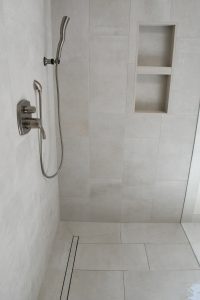
- Walk-In Showers: Replace a bulky bathtub with a frameless walk-in shower to create an open feel.
Pro Tip: Ensure your layout complies with local building codes and maximizes the use of natural light.
Choose Space-Saving Fixtures and Furniture
Small bathrooms benefit from fixtures and furniture designed to save space while enhancing usability.
Best Choices:
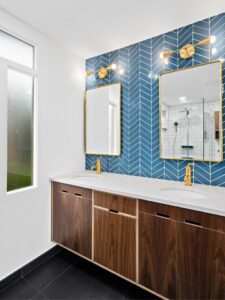
- Floating Vanities: Free up floor space and create a sleek, modern look.
- Recessed Storage: Check wall construction, concealed services and any wet-area waterproofing details before specifying an in-wall niche.
- Compact Sinks: Choose pedestal or wall-mounted sinks to create an airy, open feel.
Pro Tip: Use multipurpose fixtures, like mirrors with built-in storage or shower doors with towel racks, to maximize functionality. For related planning details, compare Shower and Tub Seattle.
Use Light Colors and Reflective Surfaces
Light colors and reflective materials can make a small bathroom appear larger and brighter. These design tricks create an illusion of space without requiring structural changes.
Design Strategies:
- Neutral Palettes: Whites, grays, and soft pastels create a clean and spacious look.
- Mirrors: Use large or strategically placed mirrors to reflect light and add depth.
- Glossy Tiles: Opt for high-gloss finishes on walls or backsplashes to amplify light.
Pro Tip: Install lighting fixtures that mimic natural daylight to brighten the space and enhance visibility.
Focus on Smart Storage Solutions
Storage is often a challenge in small bathrooms, but creative solutions can help you keep the space organized and clutter-free.
Clever Storage Ideas:
- Over-the-Door Racks: Utilize the back of the door for additional storage.
- Vertical Shelving: Install shelves above the toilet or along unused wall space.
- Built-In Niches: Add recessed shelves in the shower or next to the vanity.
Pro Tip: Keep storage solutions minimalistic to maintain an open, clean aesthetic.
Incorporate Stylish and Functional Design Features
Even in a small bathroom, stylish elements can make a big impact. Choose fixtures and finishes that enhance both form and function.
Popular Design Features:
- Statement Tiles: Use bold patterns or colors for an accent wall or floor.
- Matte Black or Gold Fixtures: Add a touch of modern elegance with unique finishes.
- Frameless Shower Doors: Create a seamless, open look while showcasing your design.
Pro Tip: Balance bold features with neutral elements to avoid overwhelming the space.
Consider Energy-Efficient and Sustainable Options
Compare water use, energy use and maintenance when choosing products for a small bathroom. Review the selected product information rather than assuming a resale benefit. For budget planning, compare Bathroom Remodeling Cost Seattle.
Green Solutions:
- Low-Flow Fixtures: Install water-saving faucets, showerheads, and toilets.
- LED Lighting: Use energy-efficient bulbs for long-lasting illumination.
- Recycled Materials: Incorporate recycled tiles or countertops for a sustainable touch.
Pro Tip: Discuss product performance, certifications and the requirements applicable to your project with the contractor.
Work with an Experienced Contractor
A professional contractor can help you make the most of your small bathroom remodel by offering tailored solutions and expert guidance.
Benefits of Hiring a Pro:
- Efficient use of space with innovative design ideas.
- Expertise in local building codes and regulations.
- Access to high-quality materials and trusted suppliers.
Pro Tip: Choose a contractor with a portfolio of successful small bathroom projects for peace of mind.
Transform Your Small Bathroom with BLC Remodeling
Planning a small bathroom remodel requires creativity, strategic planning, and attention to detail. You can transform even the smallest space into a functional and beautiful retreat by optimizing your layout, choosing the right materials, and focusing on storage and design.
At BLC Remodeling, we specialize in creating custom bathroom solutions tailored to Seattle homeowners. Contact us today to start planning your small bathroom transformation.
Questions about planning a small bathroom
Use these answers to prepare specific questions for your project.
Should I replace the tub to make a small bathroom feel larger?
Compare the household’s need for a tub with the measured footprint of a shower. Check access, door movement, drainage and the proposed enclosure before assuming the change will improve usable space.
Do wall-mounted fixtures always save usable space?
They can expose more floor area, but the full dimensions and installation requirements still matter. Compare the room layout, wall support, service access and storage lost or gained with each option.
What should I check before specifying a recessed niche?
Have the wall construction and concealed services reviewed before choosing its size and position. In a wet area, coordinate the niche with the proposed waterproofing system and installation details.
How can I keep a small bathroom budget focused?
Rank essential repairs and daily-use improvements before decorative upgrades. Ask for separate pricing where useful and record the assumptions, exclusions and product allowances behind the total.